01 — Question
Start with the patient biology.
Every programme begins with how neurodegenerative and autoimmune conditions actually present in people.
Preclinical neuroscience research
Engineering clinical frameworks to intercept neurological disease at the cellular level.
Our approach
01 — Question
Every programme begins with how neurodegenerative and autoimmune conditions actually present in people.
02 — Model
Patient-relevant neural cell systems let us test ideas before they reach a clinic.
03 — Measure
Imaging, biomarkers and functional readouts turn observations into data we can defend.
04 — Restore
The long-term goal is to protect and rebuild neural function, not just slow its loss.
The framework
Most care for neurological disease treats symptoms, not causes. We study the cellular mechanisms behind that decline instead.
Neural tissue can repair itself, until chronic disease exhausts those pathways. Our pipeline works on restoring them.
Bench findings only matter if they scale. We build toward endpoints measured in function, not survival alone.
Our long-term aim is simple to state: a neurological diagnosis should not decide what a person can do next.
Research programmes
Programme 01
Our most active line of work, though not the whole of our research. We investigate engineered cell-therapy architectures adapted for neuroinflammatory and neurodegenerative disease, where the target is a pathogenic glial or immune cell population within the nervous system rather than a tumour. The programme is organised around construct design, safety modelling and neural mechanism readouts.
Construct design, transduction efficiency, and vector-free delivery approaches evaluated across donor-derived neural and immune co-cultures.
Cytokine and neuroinflammatory release characterisation, on-target/off-tissue modelling, and engineered safety-switch evaluation in vitro.
Single-cell readouts of neural-immune interaction, expansion, exhaustion and memory phenotype to explain why a construct behaves as it does.
Programme 02
Therapy decisions are only as good as the neural and immune picture behind them. We build high-dimensional profiling assays that describe a patient’s neurological and neuroimmune state with enough resolution to stratify who might respond to a given intervention.
Multi-parameter cytometry and transcriptional panels covering neuronal, glial and neuroimmune compartments.
Candidate markers of neural dysfunction validated across independent sample cohorts.
Statistical models that group patients by mechanism rather than by symptom label alone.
Programme 03
For patients whose nervous systems are depleted by disease or treatment, restoration is the goal rather than suppression. This programme studies how compromised neural compartments recover, and what can be done to accelerate that recovery safely.
Ex vivo expansion and differentiation protocols for depleted neural and supporting cell populations.
Functional assays that measure restored neural response, not just restored cell counts.
Adjunct strategies evaluated for durability and neuroinflammatory risk.
Inside the lab
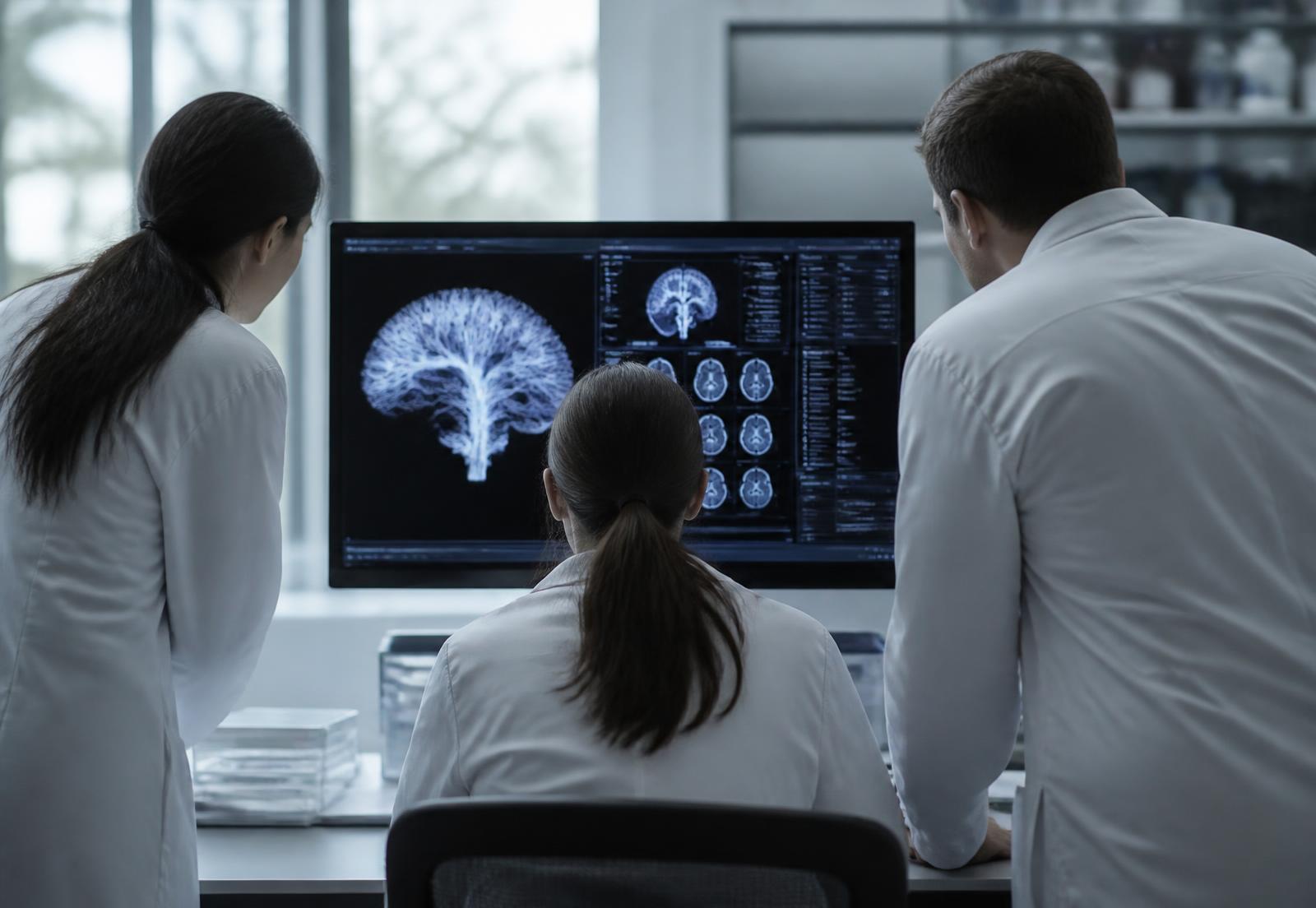
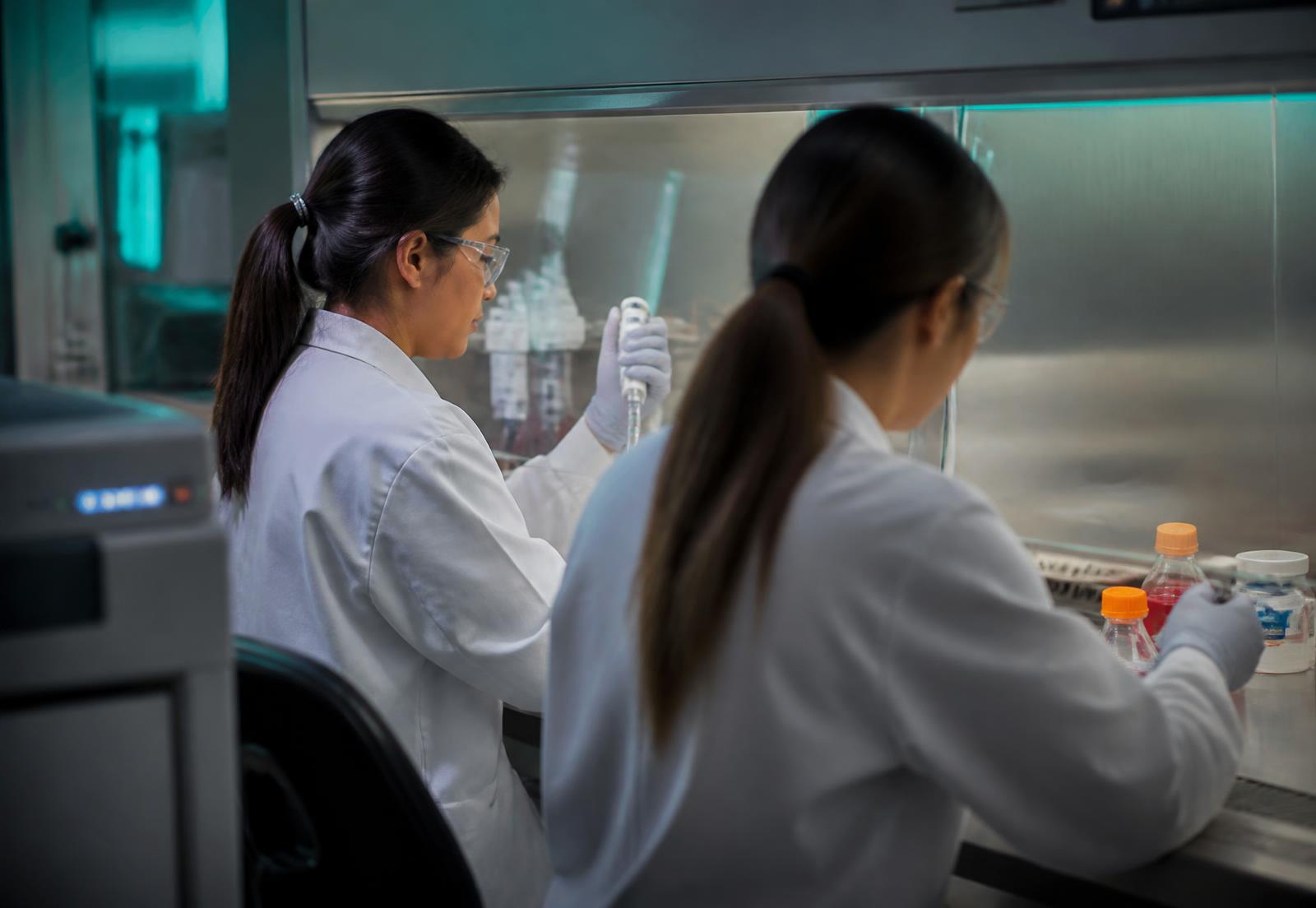
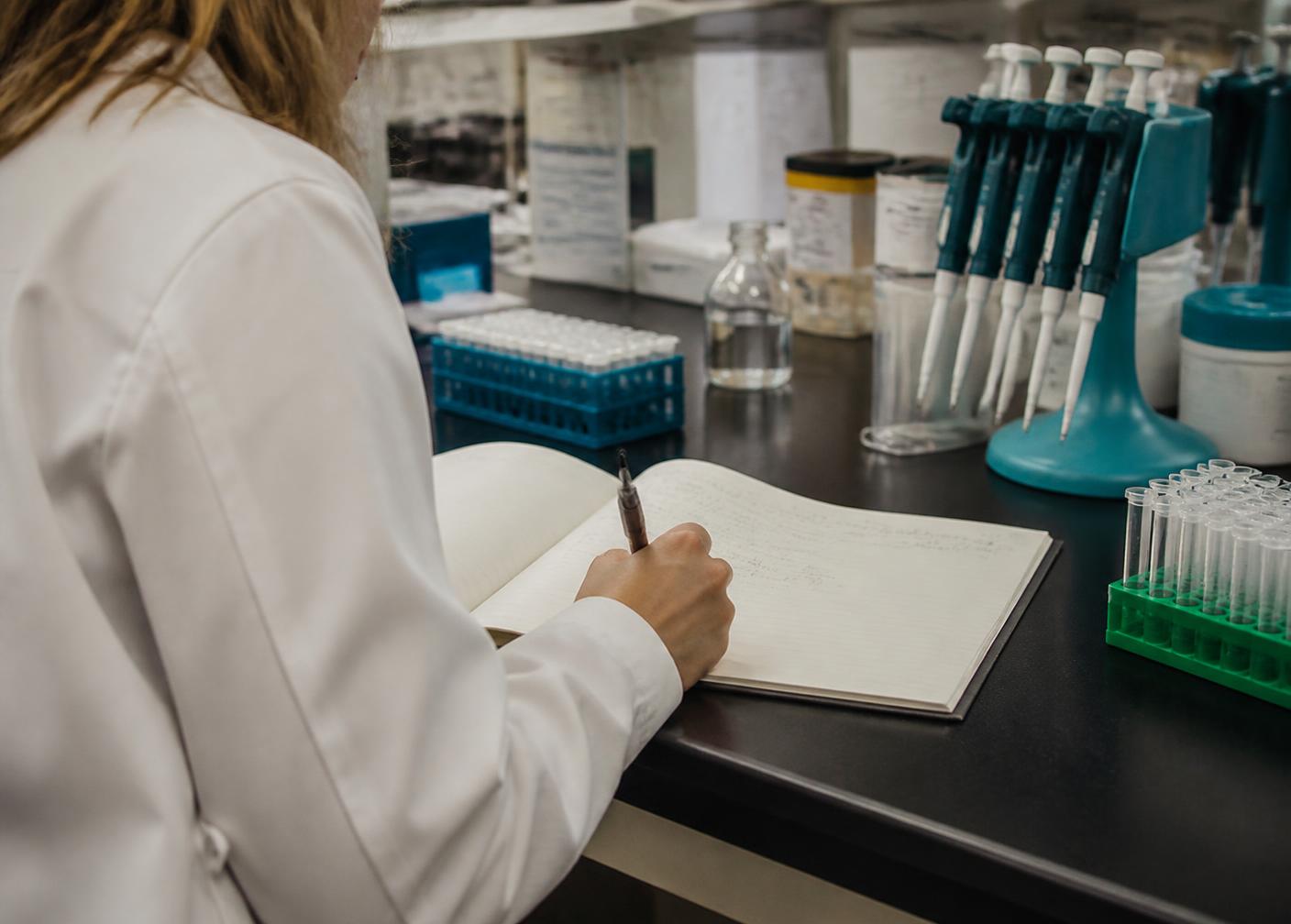
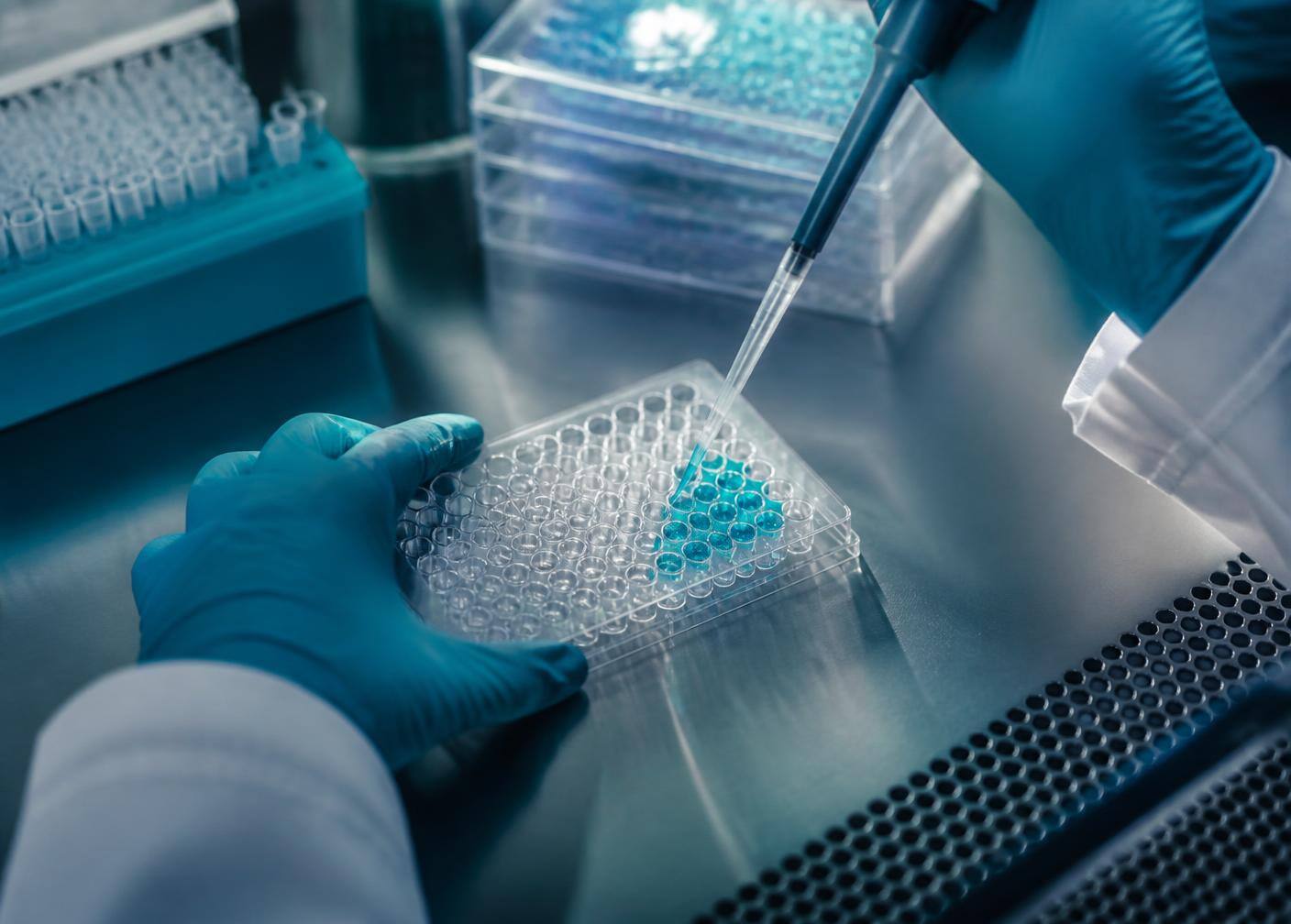
Cytosomatic Labs does not treat patients, sell products or offer clinical services. Every hour of the week goes into preclinical neuroscience research: culture work, assay development, data review and method documentation.
Scientific standards
Study designs are documented before data collection begins.
Every key result is reproduced with an orthogonal method.
Negative and null results are recorded and retained.
External collaborators receive raw data, not only summaries.
Method in practice
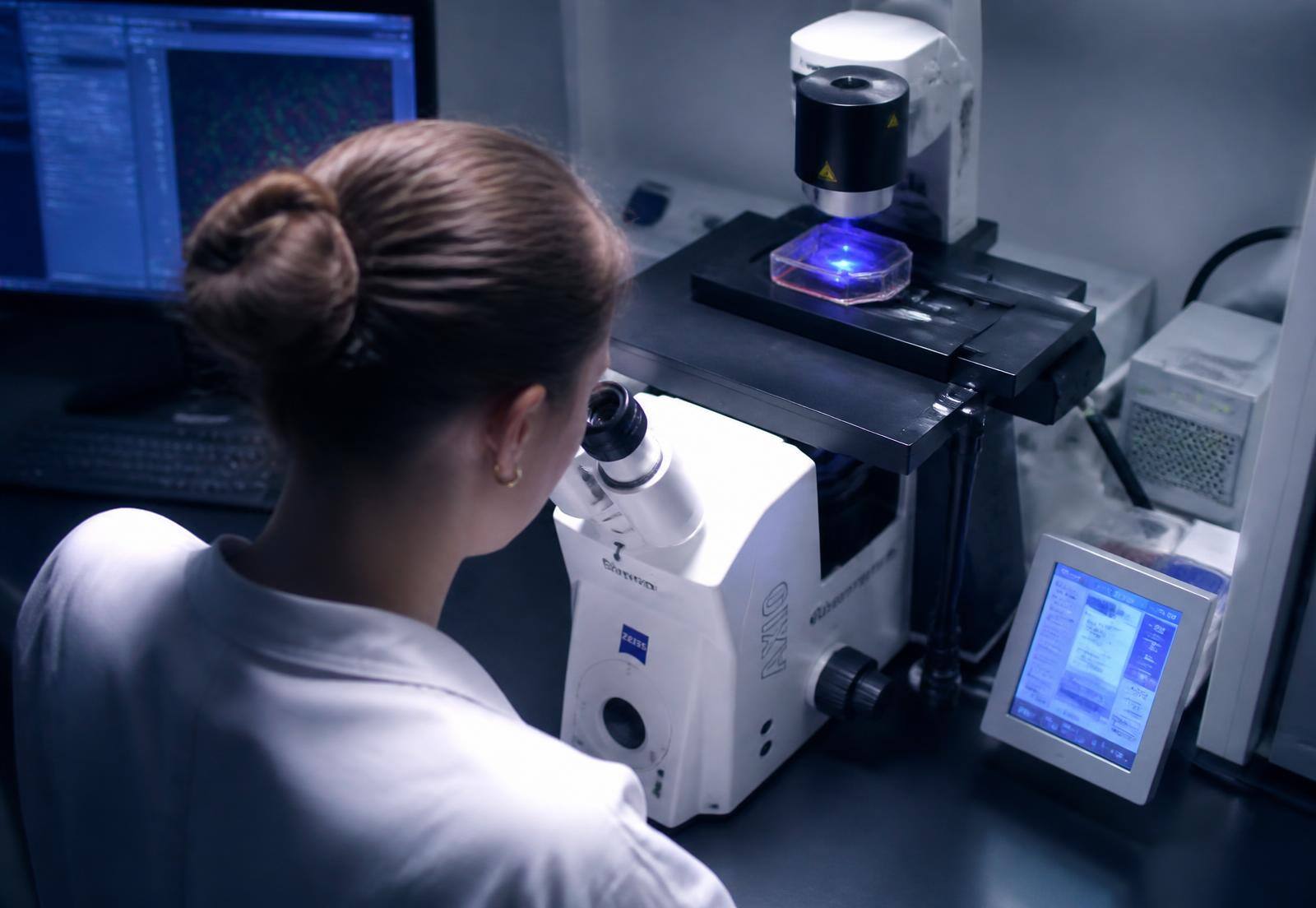
Our team works directly with the instruments, the cells and the datasets. There is no wall between the scientist designing the study and the scientist validating the result.
That closeness is what lets us catch subtle signals early, and what keeps our stage labels honest.
Our vision
We are an early-stage organization, and we describe ourselves that way deliberately. Our work today is preclinical: characterising neural dysfunction, validating targets, and building the assay infrastructure that any credible neuroscience programme requires.
Every claim we make is bounded by the data behind it. That discipline is the reason academic groups and clinical investigators choose to collaborate with us.
Rigorous, reproducible scientific method.
Outcomes measured in restored function.
Common questions
Knowledge Hub
Cellular repair
Proteostasis, mitochondrial quality control and neural stem-cell niches form the nervous system's repair capacity. This deep dive maps each system and the failure points our preclinical work targets.
Neurodiagnostics
Single-analyte tests collapse heterogeneous biology into one number. High-dimensional panels recover the structure that stratification depends on — if the analysis is designed before the data is collected.
Neuroinflammation
Neuroinflammation is neither uniformly protective nor uniformly destructive. Its effect depends on cell state, duration and the integrity of the barriers around the compartment.
We work with academic groups, clinical investigators, translational funds and instrument partners. Tell us where your neuroscience programme needs depth.