
01 — Mission
Research first, always.
Cytosomatic Labs is a preclinical neuroscience organisation focused on disciplined, reproducible science.
About
Cytosomatic Labs was founded to pursue one question: can neurological function be repaired rather than merely managed? We are pursuing it in the laboratory, in public, and in collaboration — and we are careful about the difference between what we hope and what we have shown.
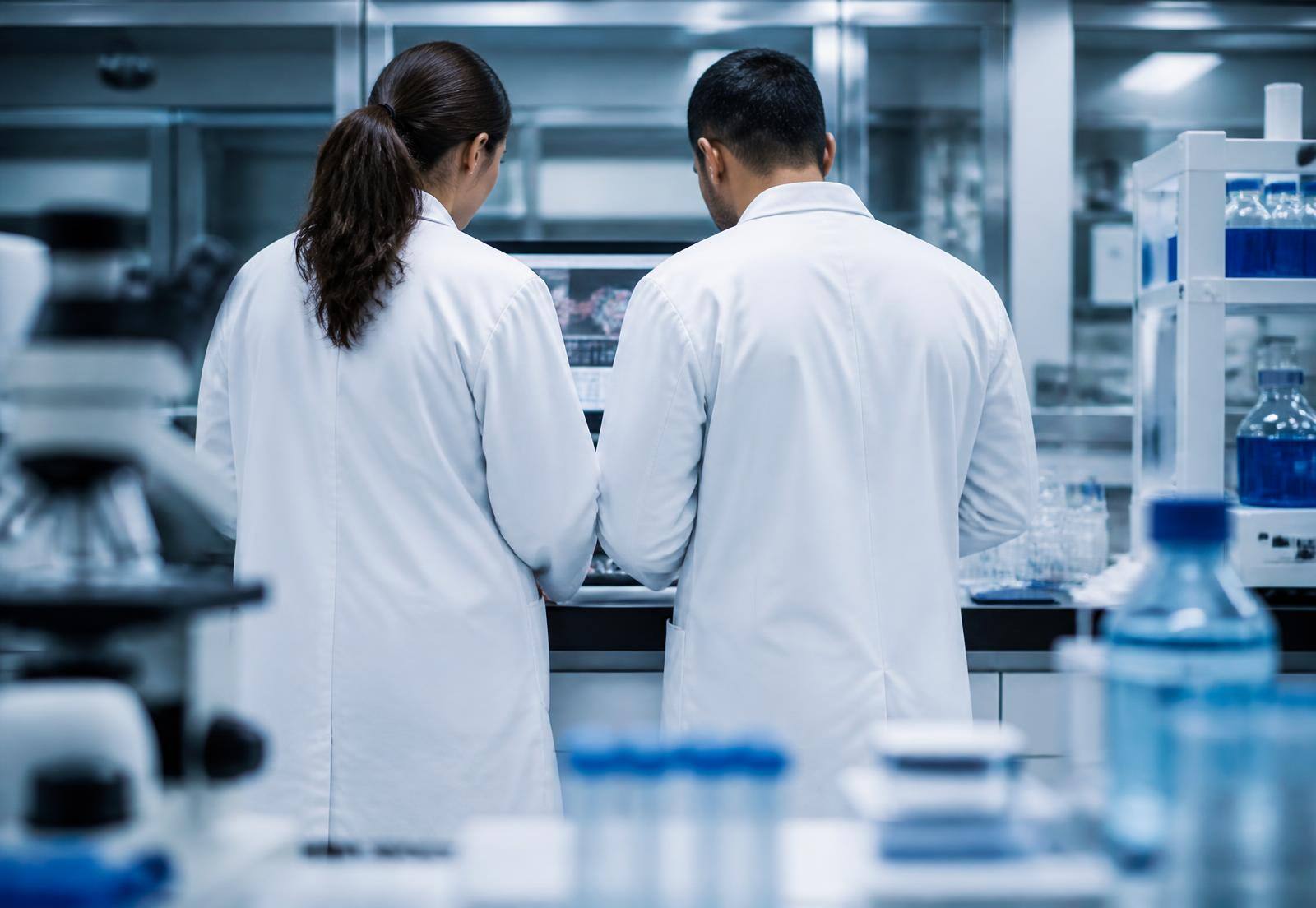
Who we are
01 — Mission
Cytosomatic Labs is a preclinical neuroscience organisation focused on disciplined, reproducible science.
02 — Governance
Clear oversight, documented methods and independent review guide every study we run.
03 — Principles
We publish what we learn and state plainly what we do not yet know.
Mission
Neurodegenerative and complex neurological patients are often underserved by therapies designed for the average case. Our work targets that gap directly: characterise the neural dysfunction, engineer a correction, and measure restored function honestly.
We are deliberately a research organization first. Our near-term output is evidence — validated assays, published methods, reproducible datasets — because that is what any future neuroscience programme must be built on.
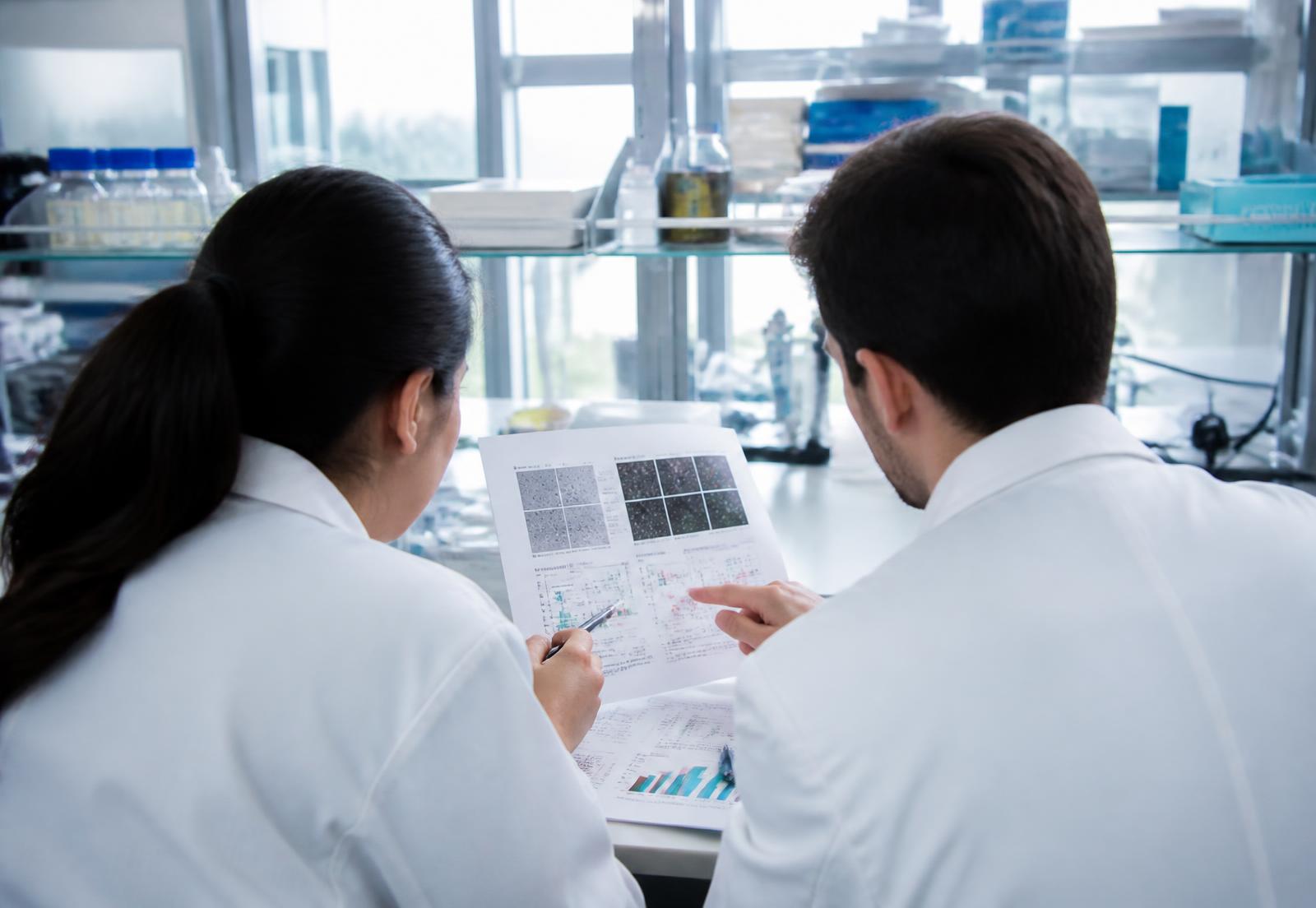
We describe our stage precisely. Preclinical work is called preclinical, and nothing is framed as a treatment until the evidence supports it.
Partners receive raw data and method files, not curated summaries. Reproducibility is only real if someone else can check the work.
Restored function, fewer flares, more good days — those are the outcomes that justify the science.
Three programmes, one platform. We would rather do a narrow thing properly than a broad thing loosely.
Institutional governance
Governance is documented rather than implied. Each function below has a named owner, a defined scope and a record that a collaborator can request.
Founder & research direction
Programmes are selected against a written mechanism hypothesis and a named failure condition. Funding is released per phase gate, not per calendar year.
Scientific advisory review
Practising neurologists, neuroimmunologists and neuroradiologists review study design and endpoints before bench time is committed.
Quality function
Every assay carries an SOP, a version history and inter-operator reproducibility records. Negative and null results are retained in the same record as positive ones.
Research ethics & scope
Cytosomatic Labs is preclinical. It does not treat patients, run clinical trials, sell products or provide medical advice, and it does not describe findings as clinical outcomes.
Data governance
Partners receive raw data and method files alongside any summary. Human-derived material is handled under documented consent and retention terms.
Disclosure
The venture is privately funded and states its stage plainly on every public page. Roadmap phases are only marked complete when their records support it.
Roadmap
Research platform assembled: instrumentation, data schema, SOP library and quality records.
Neural and neuroimmune profiling across neurodegenerative cohorts; candidate biomarker validation.
Neural cell-therapy construct comparison in primary human cells and co-cultures, with safety and mechanism readouts.
IND-enabling study design with clinical advisors, subject to Phase III outcomes.